
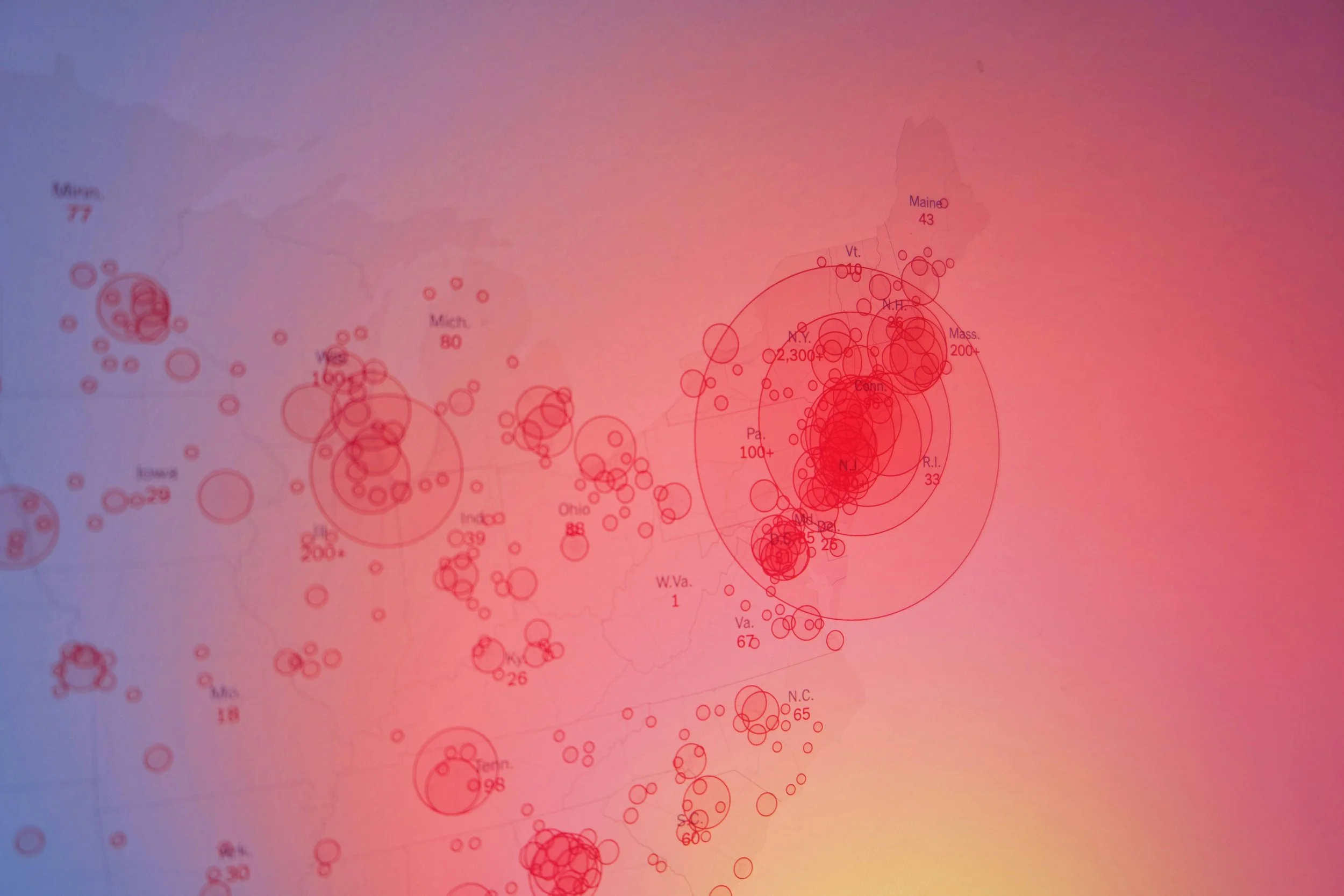
Protect impact decisions by seeing systemic change earlier
Human-led anticipatory intelligence for foundations deploying grants and programmes in fragile, fast-changing contexts.
Trusted by leading global foundations




Why foundations need anticipatory intelligence
Programme success depends on more than sector expertise.
It depends on whether the surrounding system remains viable long enough for your intervention to work.
Governance may weaken without collapsing. Institutional capacity may erode before it becomes visible in formal reporting. Political settlements may hold until a narrow trigger accelerates fragmentation.
Most available analysis is either retrospective or too broad to guide live decisions.
RAKSHA helps foundation leaders see where systems are under stress, how risks are converging, and when the window for effective action may open or close.
Deep intelligence for impact organisations
-
RAKSHA helps foundation leaders align funding decisions with how conditions are likely to evolve, not just how they appear today. This ensures capital is deployed when it can have the greatest impact.
-
We identify early signs of political, institutional, or operational change that could affect programme viability, allowing teams to adapt before disruptions affect outcomes.
-
RAKSHA surfaces underlying fragility within governance, infrastructure, and local systems, helping organisations recognise when conditions are deteriorating beneath apparent stability.
-
We map when intervention is most effective, highlighting periods where programmes can shape outcomes, adjust strategy, or step back before conditions constrain action.
-
RAKSHA adds anticipatory intelligence to existing programme and policy expertise, enabling more informed, resilient strategies grounded in how systems are likely to change over time.
How foundations use RAKSHA
All solutions are calibrated to your specific exposure rather than generic risk, with explicit timing and decision windows. Human judgment is embedded where it changes outcomes.
Our services include:

Focused Intelligence
Commissioned intelligence on a specific exposure, region, or strategic decision. What's forming, why it matters, and the window to act.

Ongoing Coverage
Continuous detection calibrated to your risk environment. Regular intelligence briefs, escalation as conditions shift, and direct analyst access.

Quiet Fracture Protocol Platform
Direct access to QFP-powered detection and convergence insights, structured for operational workflows and insights (Coming 2026).
How It Works
Start with the decision
We begin with the live question: where to deploy resources, whether to continue, how to adapt, or where to concentrate effort.
Detect Structural Risks
Using the Quiet Fracture Protocol™, we identify early signals of institutional, political, and governance fragility, including expected developments that fail to materialise.
Map Convergence
We assess how governance, economic, political, and social pressures combine and reinforce one another.
Define Decision Window
We show where intervention may still be possible, what could accelerate change, and which signals suggest a closing window.
Case Studies: Discover Our Work
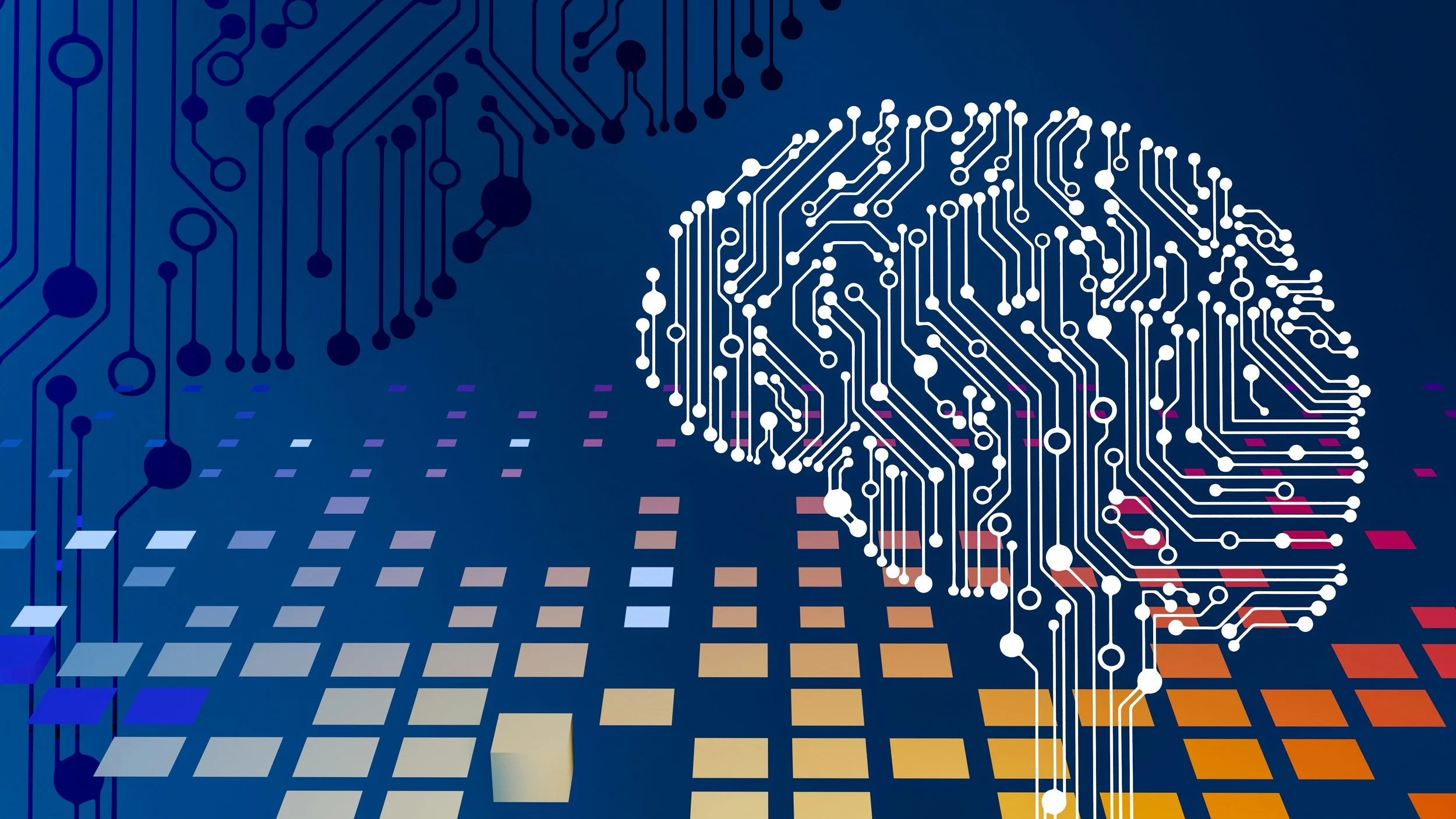
Opportunity Identification During Systemic Transitions
A global foundation investing in AI for development needed to understand not just where risks existed, but where systemic transitions in governance, infrastructure, and compute access created opportunities to shape outcomes. Traditional approaches, built for stable environments, were insufficient in a landscape where multiple shifts were unfolding simultaneously and locking in quickly.
RAKSHA developed an anticipatory intelligence system that continuously monitors these intersecting dynamics, combining signal detection, expert validation, and scenario-based analysis to identify where change is accelerating and when influence remains possible. The system surfaces 6–18 month positioning windows, maps convergence points where intervention can have outsized impact, and defines clear decision triggers tied to structural shifts. This enables the foundation to move from reactive programme design to proactive strategic positioning, deploying resources at moments when systems are still forming.
As a result, the foundation gains earlier visibility into how AI ecosystems are evolving across key geographies, stronger alignment between policy and investment decisions, and a repeatable framework for influencing outcomes during periods of systemic transition.
Why foundations choose RAKSHA
-
Anticipatory, not reactive
RAKSHA identifies fractures forming months before they become visible in traditional risk platforms, providing a 6–18 month advantage.
-
Decision-Grade Intelligence
Clients receive structured analysis, scenarios, and timing indicators designed for strategic decision-making rather than dashboards requiring interpretation.
-
Integrated intelligence streams
RAKSHA ingests signals from open, restricted, visual, and geospatial sources, including OSINT, regulatory activity, and earth-observation data.
-
Convergence Across Domains
Signals are analysed across geopolitics, finance, governance, and climate. This reveals where separate pressures are beginning to amplify each other.
-
AI-Augmented Expertise
AI agents continuously surface signals and patterns, while human analysts verify them through expert networks and translate them into strategic implications.
-
Ground-Truthing
We contextualise and validate our desk-based analysis with in-country intelligence.
See where your next constraint is forming
If you are making a major decision in a market where operating conditions may shift before your planning cycle catches up, we can help.
Most clients begin with a single exposure or decision. We'll advise on the right solution.
Frequently Asked Questions
-
Regulatory monitoring shows what is changing now. RAKSHA helps you understand where deeper structural pressures are building and when they may become strategically material.
-
No. We provide a forward-looking layer that strengthens existing teams and supports executive planning.
-
AI enhances signal detection and pattern recognition. The work is led by human analysts and informed by expert validation.
-
Most initial engagements are scoped between $50k and $80k, depending on the decision and level of complexity.
-
We offer flexible pricing based on project type and complexity. After an initial conversation, we’ll provide a transparent quote with no hidden costs.
-
Collaborative, honest, and straightforward. We're here to guide the process, bring ideas to the table, and keep things moving.